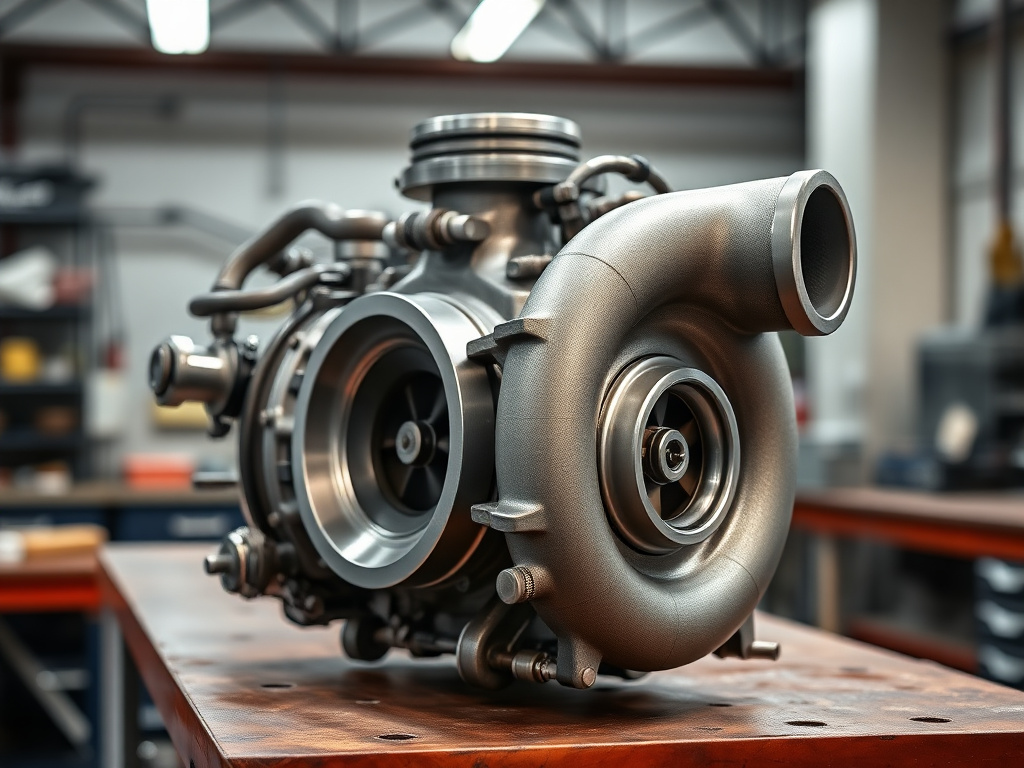
Turbochargers are one of the hardest-working components on a modern diesel engine, spinning at tens of thousands of RPM to force extra air into the cylinders for more power and better efficiency. They're also one of the more expensive components to replace if a small issue is ignored until it becomes a total failure — which makes catching the early warning signs worth knowing.
Loss of power or slow acceleration
A turbocharger that isn't building boost the way it should is one of the most common signs of trouble. If your truck feels noticeably sluggish, especially under load or towing, a boost leak, a sticking wastegate, or early bearing wear could be the cause.
Unusual noise from the turbo
A whining, whistling, or grinding noise — especially one that changes pitch with engine RPM — often points to a turbocharger bearing issue. Catching this early can mean a bearing repair rather than a full turbo replacement.
Excessive smoke
Blue smoke can indicate the turbo is burning oil past worn seals. Black smoke under acceleration can point to a boost or fuel delivery issue tied to turbo performance. Either is worth a diagnostic visit.
Check-engine light with boost-related codes
Our diagnostic services read live boost pressure and wastegate duty cycle data, which often reveals a developing turbo issue before it throws a hard failure code.
Oil consumption increase
A turbocharger with worn seals can allow oil into the intake or exhaust system, leading to noticeably higher oil consumption between changes.
Don't wait for a full failure
A turbocharger that fails completely can send debris into the engine's intake system, turning a turbo repair into a much larger engine repair. Catching the early signs above — and getting a proper diagnostic scan — is the difference between a manageable repair and a major one.
Why turbochargers fail in the first place
Most turbocharger failures trace back to one of a few root causes: oil starvation from a delayed oil change or failing oil pump, contamination from debris getting past a damaged air filter, or simple wear from the extreme rotational speeds and heat a turbo operates under continuously. Understanding which of these caused a failure matters, because replacing a turbo without addressing the root cause — a contaminated oil supply, for example — can lead to a repeat failure in the replacement unit.
Turbo repair vs. turbo replacement
Not every turbo issue requires a full replacement. Depending on what our diagnostics find, some issues — a stuck wastegate actuator, a boost leak in a hose or coupling, a failing sensor feeding bad data to the ECM — can be repaired without touching the turbocharger itself. Others, like worn bearings or a damaged compressor wheel, do require a rebuild or replacement. Part of what a proper diagnostic scan does is tell us which category your truck falls into before we quote a repair.
How Arizona heat affects turbocharger life
Turbochargers already run at extreme temperatures under normal conditions, and Mesa's summer heat pushes intake air temperatures higher before it even reaches the turbo. That added thermal stress is part of why we see a seasonal pattern in turbo-related service visits locally, and it's a factor we weigh when a Mesa-area truck comes in with early boost-related symptoms.
Protecting your turbocharger between services
A few habits extend turbocharger life between service visits: staying current on oil changes with the correct oil grade, replacing air filters on schedule to prevent contamination, and allowing a turbocharged diesel engine to idle briefly before shutdown after heavy load or towing, which lets the turbo cool gradually rather than heat-soaking immediately after hard use.
Schedule a turbocharger inspection
If your truck is showing any of these signs, call Diesel Repair AZ at (844) 967-5247 or request service online. We serve Mesa, Tempe, Chandler, Gilbert and the East Valley, open Monday through Friday, 6am to 6pm. See our engine & fuel repair services for more on turbocharger repair — and the earlier you catch the warning signs above, the more likely a repair stays a repair instead of turning into a full replacement, which saves you both money and downtime — and keeps a small repair from turning into a much bigger one.